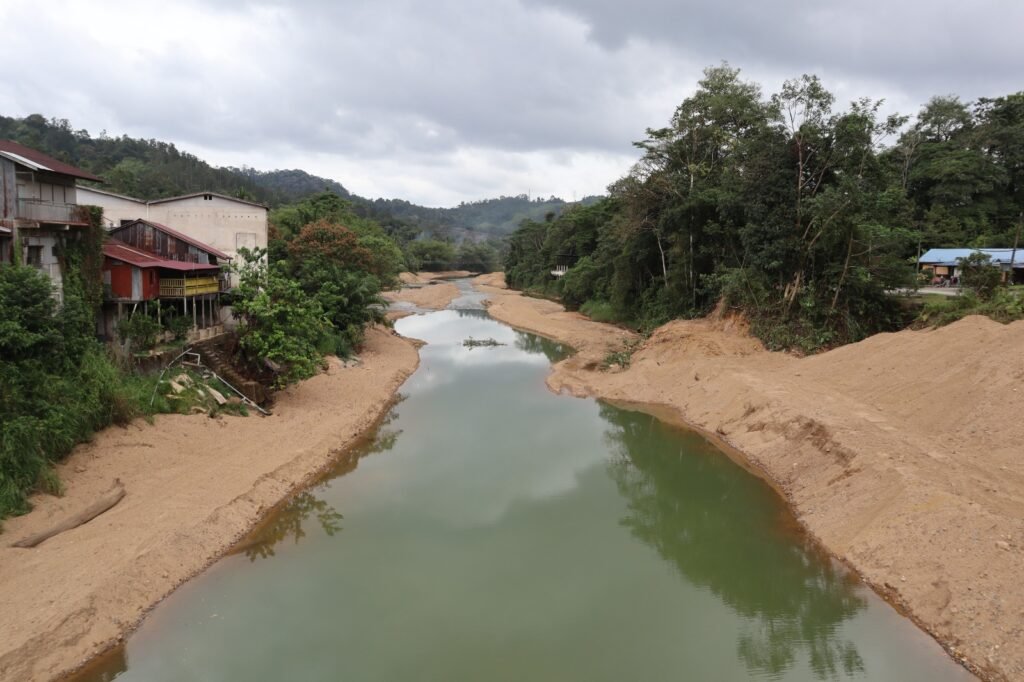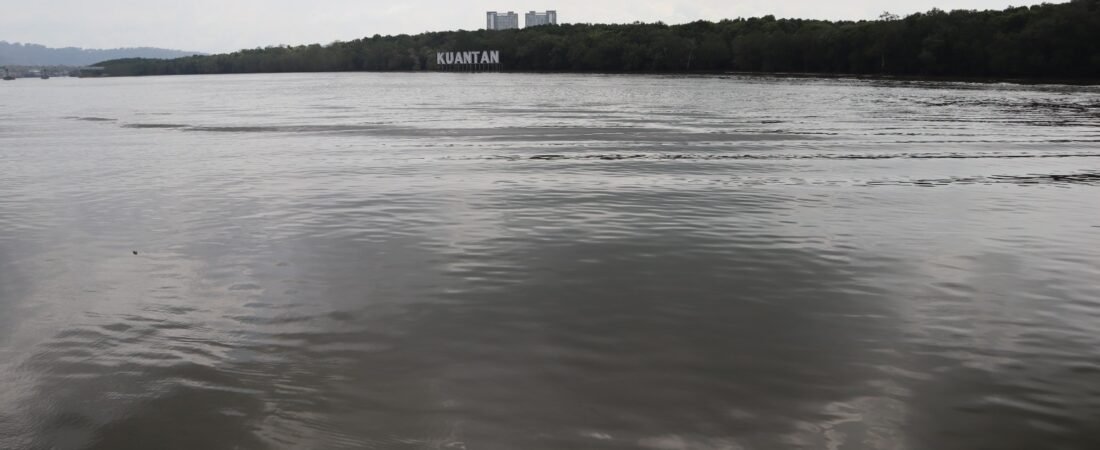
Standing by the Kuantan River during Ramadan, I was reminded how quietly ordinary places can sit at the centre of global debates — from colonial tin mines to today’s race for rare earths.
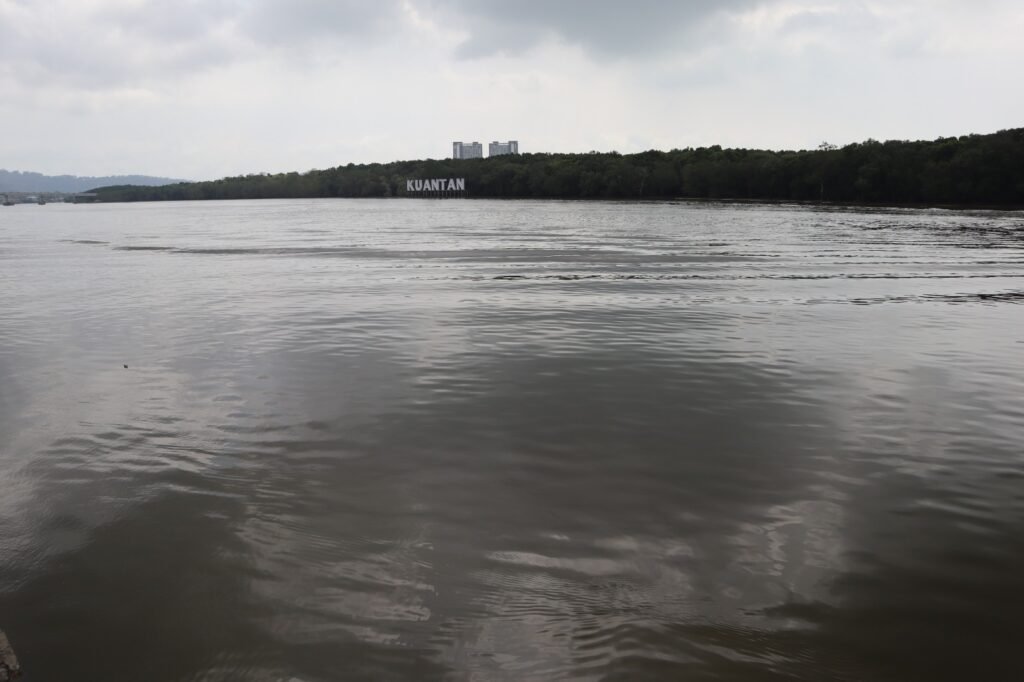
The river moves slowly here, wide and calm under a grey Pahang sky. Across the water, the word “KUANTAN” stands on the opposite bank — a quiet marker of how far this place has come from its days as a small riverside settlement.
I was here when Malaysia announced it would renew Lynas Rare Earths’ operating licence for 10 years, strengthening the Australian group’s role in building a rare-earth supply chain outside China.
I found out while strolling along the riverbank. It was Ramadan, so some of the eateries and shops were closed. The sky was overcast and the water was calm. A fishing boat passed by, leaving small ripples behind it. Across the river, mangrove forests stretched over 340 hectares of swamp.
A local told me the fishermen there mostly fish the coastal waters for their catch, while foreign fishermen with bigger boats head farther out into the South China Sea.
The Kuantan River begins in Sungai Lembing, about 42km to the northwest, before winding through the city and emptying into the sea. I visited Sungai Lembing during the same trip. The two places share a history rooted in extraction.
In the early 1900s, Sungai Lembing was a bustling tin-mining town. The industry was established in 1886 by William Frazer, representing a London-based firm. By the time operations peaked, 40 miles of tunnels had been dug underground. Sungai Lembing earned the nickname “El Dorado of the East”.
It too was a foreign-run operation extracting value from Pahang’s ground.
When the Lynas Advanced Materials Plant in nearby Gebeng began operations in 2012, it quickly became one of the most contested industrial projects in Malaysia. Public anger centred on fears over radiation and the management of Water Leach Purification (WLP) residue. For years, Lynas operated under shorter renewal cycles, keeping political uncertainty alive.
This 10-year renewal sends a different message. It signals a shift toward a more permanent resolution — tied to the development of a Permanent Disposal Facility in Gebeng, designed to give the waste a long-term, monitored home rather than leaving it in temporary storage. It also gives Lynas something it has long needed: greater certainty to plan investments, customer relationships and long-term supply arrangements in a world increasingly anxious about dependence on China for critical minerals.
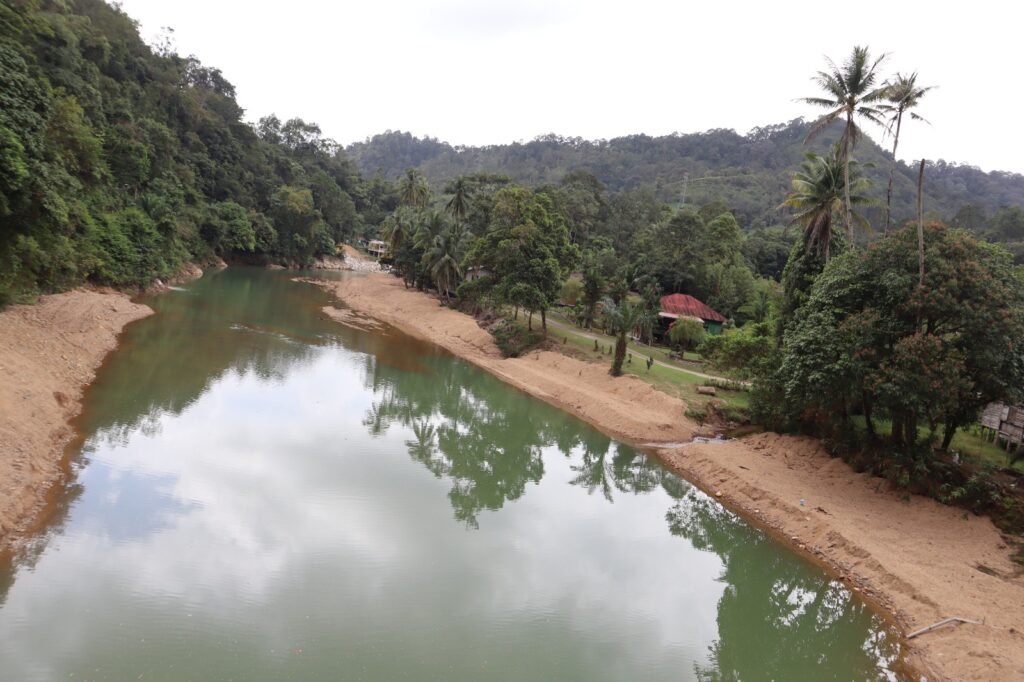
Sungai Lembing has since reinvented itself as a heritage town, its mining past folded into tourism and memory. What Lynas becomes next is still less settled. It is no museum piece. It remains commercially and strategically active — one of the few facilities outside China processing Neodymium and Praseodymium (NdPr), key rare earths used in the permanent magnets that power electric vehicles, wind turbines and other advanced technologies.
The argument over Lynas, in other words, is no longer only local. It now sits within a global contest over who controls the materials of the future. In a market where China still dominates rare-earth processing, Kuantan has become one of the few places outside China that matter to countries seeking more secure supply chains.
The river looked unchanged — quiet, patient, indifferent to the debates around it. But the story unfolding nearby is part of something much larger.
Sometimes the biggest geopolitical stories begin in places that look entirely ordinary.
Like a river in Kuantan.